
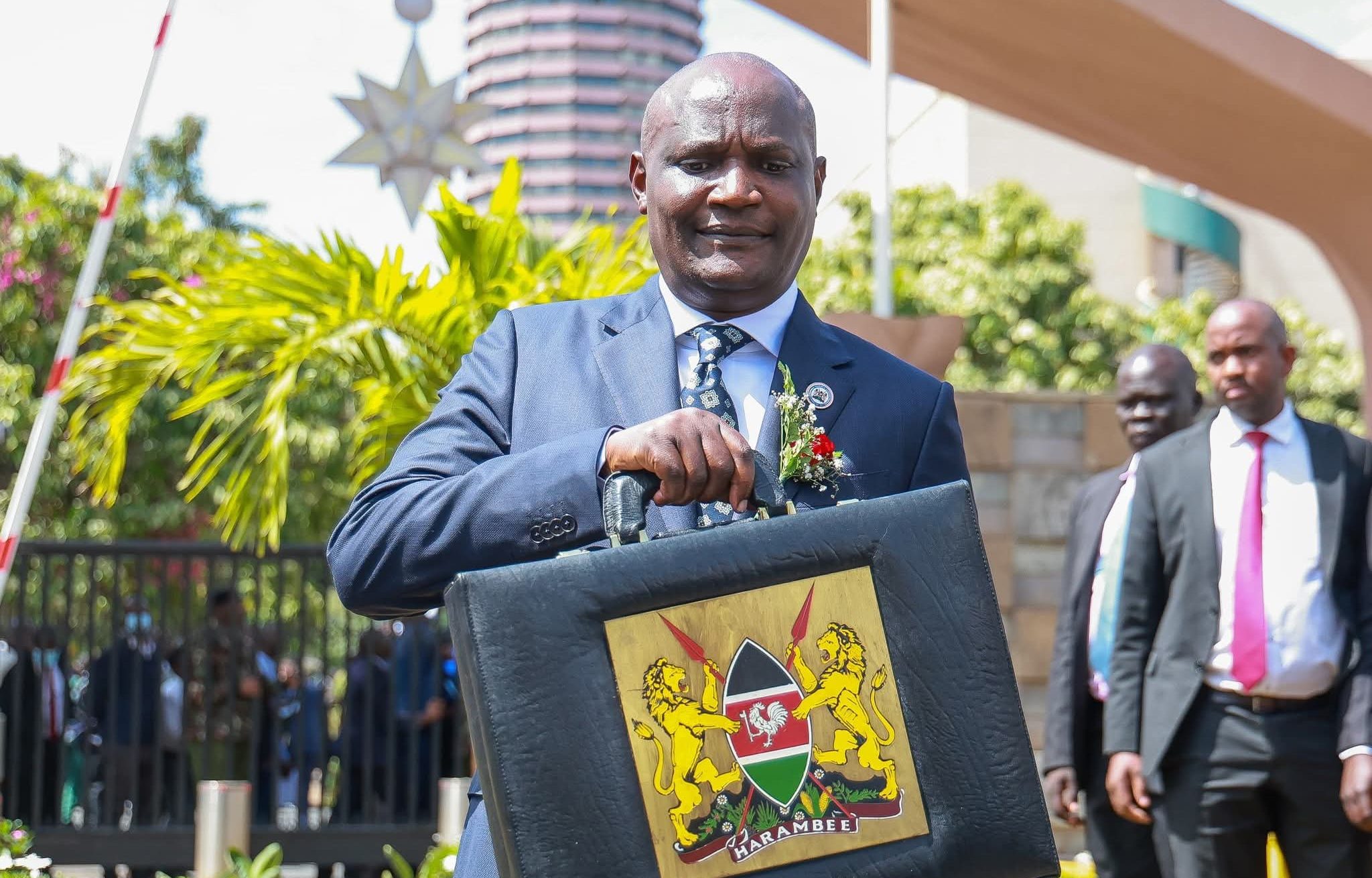

Education once again received the largest share of funding in Kenya’s 2026/27 national budget, with an allocation of KSh 781.4 billion. This represents an increase from the previous financial year’s allocation and highlights the continued importance of education in national planning.
While budget allocations often make headlines, the real question for many parents, students, and teachers is what these figures mean in practice. Which areas gained additional funding? Which priorities stand out? And what impact could these investments have on learners across the country?
Teacher Recruitment Receives Additional Funding
One of the notable allocations in this year’s budget is KSh 4.9 billion earmarked for the absorption of 20,000 intern teachers into permanent and pensionable employment.
For schools experiencing teacher shortages, this could improve teacher availability and potentially reduce the workload on existing staff. However, education stakeholders may continue to debate whether the number of teachers being absorbed is enough to meet the growing demand across public schools.
The effectiveness of this investment will largely depend on how teachers are distributed and whether the recruitment addresses areas experiencing the greatest shortages.
Increased Support for University and College Students
The Higher Education Loans Board (HELB) has been allocated KSh 56.7 billion under the new budget.
This funding is expected to support university and college students seeking financial assistance to pursue higher education. Access to affordable financing remains an important factor for many learners, particularly those from low and middle income households.
While the increased allocation may benefit many students, concerns around higher education financing and the sustainability of student funding models are likely to remain part of the national conversation.
TVET Emerges as a Major Beneficiary
Technical and Vocational Education and Training (TVET) institutions are among the biggest beneficiaries in the education sector, receiving approximately KSh 58.4 billion.
The funding is expected to support:
- Infrastructure development
- Acquisition of equipment and learning resources
- Skills training programs
- Institutional growth and capacity building
The allocation reflects the growing recognition of technical and vocational education as an important pathway for skills development, employment, and entrepreneurship.
As the job market continues to evolve, TVET institutions may play an increasingly important role in preparing learners with practical and industry relevant skills.
Continued Investment in CBC Implementation
Funding has also been directed toward the continued implementation of the Competency Based Curriculum (CBC).
Key areas expected to benefit include:
- Junior School programs
- Teacher training and capacity building
- Learning and teaching materials
- School infrastructure
- Digital learning initiatives
CBC remains one of the most significant education reforms in Kenya’s history. While progress has been made, challenges around implementation, resources, assessment, and stakeholder understanding continue to generate discussion among parents, teachers, and education experts.
The continued allocation suggests that the transition remains a key focus area moving forward.
What Are the Main Gains?
Looking at the budget broadly, several areas appear to have gained additional support:
More Teachers
The absorption of intern teachers could improve teacher availability in schools and strengthen classroom learning environments.
Increased Student Financing
Additional HELB funding may improve access to higher education financing for many learners.
Stronger Focus on Skills Development
The significant investment in TVET signals continued emphasis on technical skills and employability.
Continued CBC Support
Ongoing funding for CBC implementation provides resources needed for curriculum rollout, teacher preparation, and learning support.
What Questions Remain?
Despite the increased funding, several important questions remain:
- Will the additional resources translate into better learning outcomes?
- Will teacher recruitment adequately address staffing shortages?
- Will CBC implementation challenges be effectively addressed?
- Will higher education funding meet the needs of all eligible students?
- How effectively will the allocated funds be utilized?
As with any budget, the impact will ultimately be measured not only by the amount allocated but also by the results achieved.
Looking Ahead
The 2026/27 education budget highlights continued investment across key areas of Kenya’s education system, including teacher recruitment, higher education financing, technical training, and CBC implementation.
For parents, students, and educators, the coming months will provide a clearer picture of how these allocations translate into real changes within classrooms, schools, colleges, and universities.
While the budget outlines the government’s spending priorities, the success of these investments will depend on implementation, accountability, and their ability to improve educational outcomes for learners across the country.
As Kenya’s education landscape continues to evolve, stakeholders will be watching closely to see how these investments shape the future of learning and opportunity.